
Healthy Living
Signs of Heat Illness
Heat illness progresses from mild to serious and can be dangerous, even life-threatening. Knowing the signs can be especially helpful for those who care for children and older adults. Heat illness can happen with exposure to heat, even if not exercising. And, taking certain medications such as psychotropics, medications for Parkinson’s, tranquilizers and diuretics may increase the risk of heat illness.
Stages, Signs and Treatment of Heat Illness
Extended time in heat and humidity and lack of adequate fluids can cause heat illness. Children, teens and the elderly (over age 65) are more sensitive to heat because their bodies don’t adjust as quickly to environmental changes as adults younger than age 65. Here’s how to recognize heat illness:
| Type of Heat Illness | Cause | Signs/Symptoms | Treatment |
|---|---|---|---|
| Heat cramps (Mildest form) |
|
|
|
| Heat exhaustion |
| Includes the symptoms above, plus:
| Follow the same treatment as for heat cramps. If symptoms do not improve or fluids cannot be kept down, seek emergency medical care immediately. |
| Heat stroke (Life-threatening) |
| Includes the symptoms above, plus:
| Begin the same treatment as for heat exhaustion and call 911 immediately or go to the nearest emergency room. While waiting for help, place ice packs in the armpits and groin area. |
How to Avoid Heat Illness
Follow several guidelines to avoid starting down the path of heat illness:
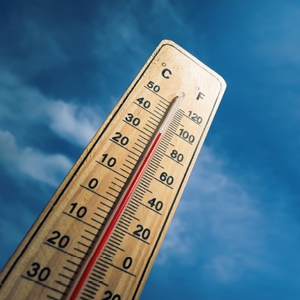 Check the Heat Index Over 90°F means higher heat illness risk. |  Know Health Risks Health conditions, obesity or medications may increase sensitivity to heat. | Hydrate Early & Often Drink fluids before thirst kicks in. |  Dress Light Choose lightweight, light-colored clothing. |
 Plan for Heavy Clothing Some uniforms can trap heat. Add extra hydration and breaks. |  Take Cool-Down Breaks Rest in shade, air conditioning, a cool bath or pool. | Ask About Heat Safety Plans |
CRITICAL WARNING
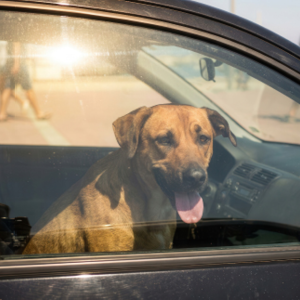
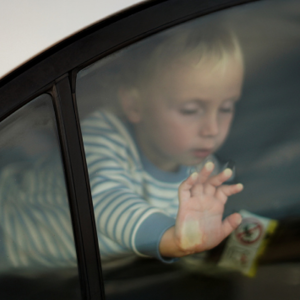
Never Leave Children or Pets in a Closed Vehicle
Car temperatures can rise up to 19°F in just 10 minutes. Even short stops can be life-threatening.
Sources:
https://www.cdc.gov/heat-health/risk-factors/heat-and-older-adults-aged-65.html